Insights
August 2, 2026

According to the Deputy Mayor, Cape Town added 27.6% more residents between 2011 and 2022 and is now home to almost 5 million people. On current trends, the City faces an annual housing shortfall of up to 28,000 units. Low-income residents already spend over 40% of their monthly income on transport, and 76% of households earn R22,000 or less a month — meaning that 3 of every 4 residents are unlikely to afford a housing product on the open market. Part of the City's response is a R121 billion infrastructure pipeline through 2032.
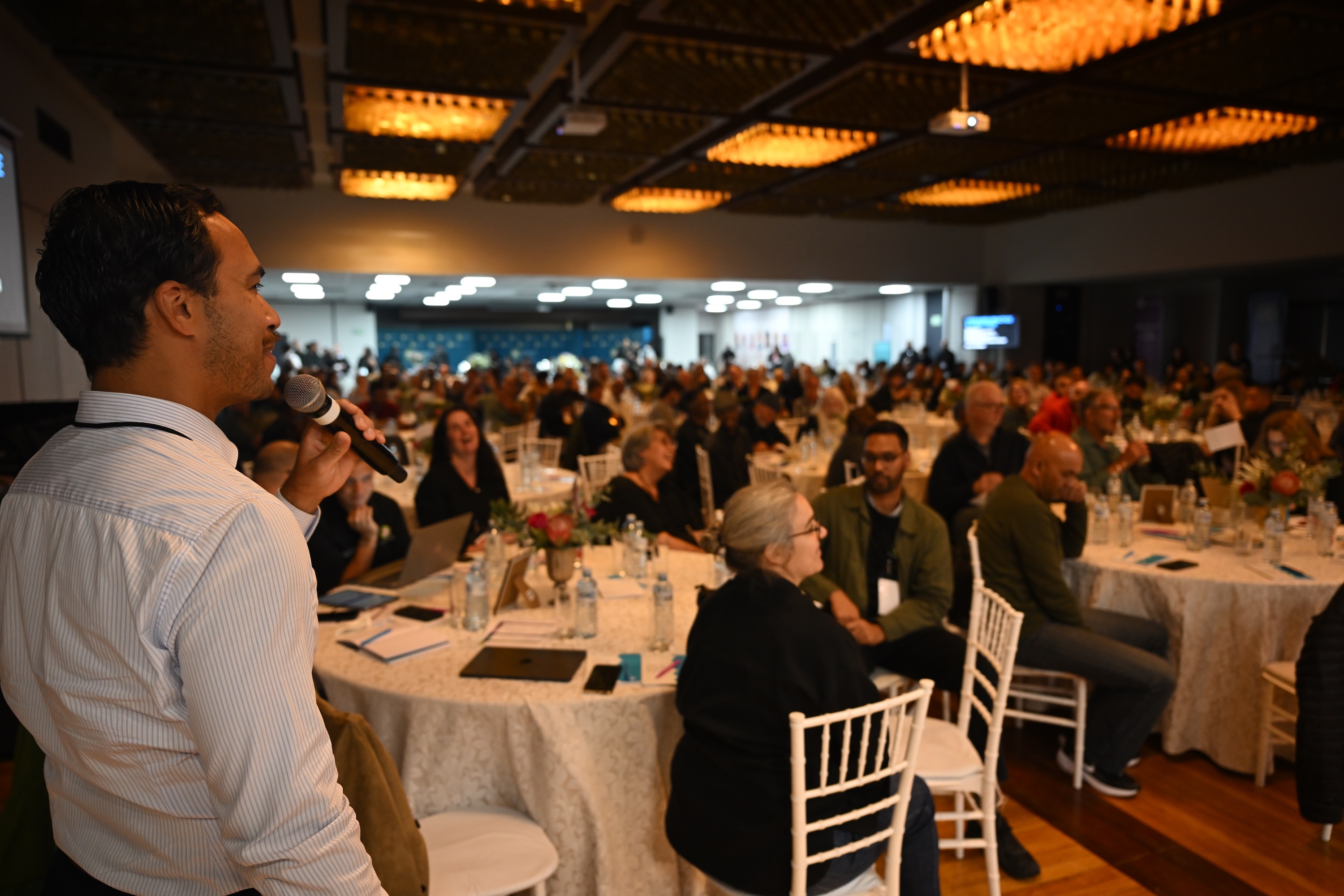
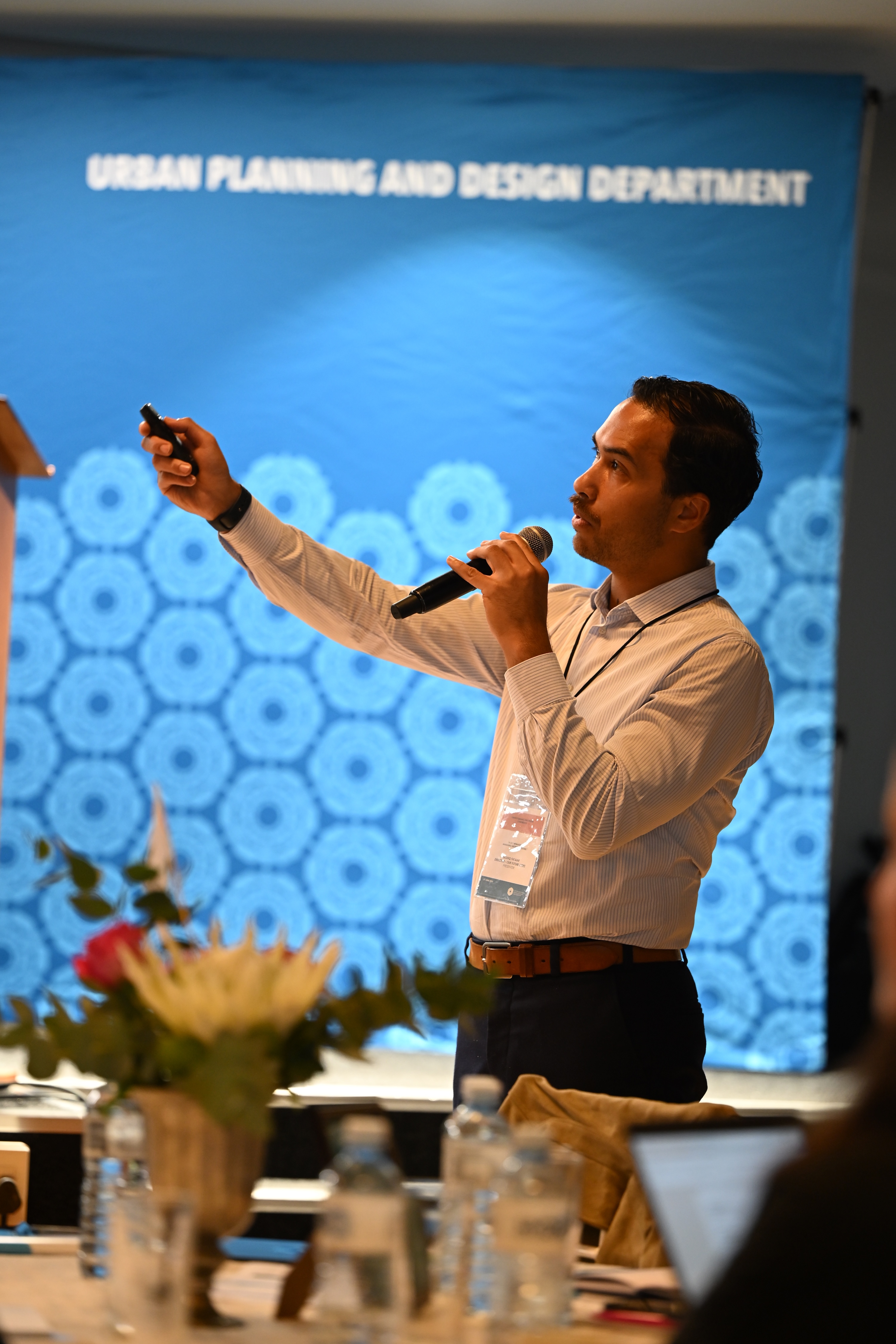
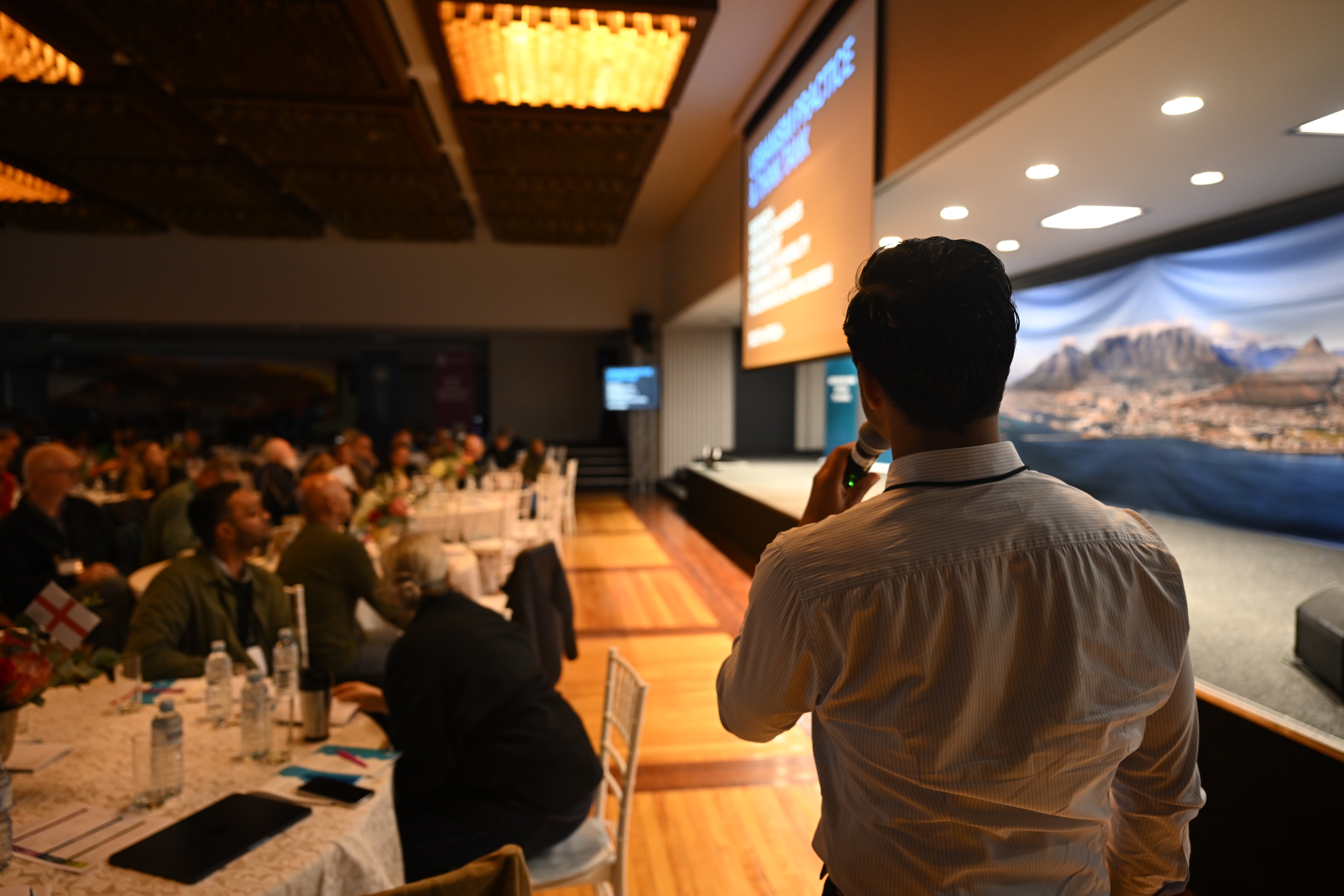
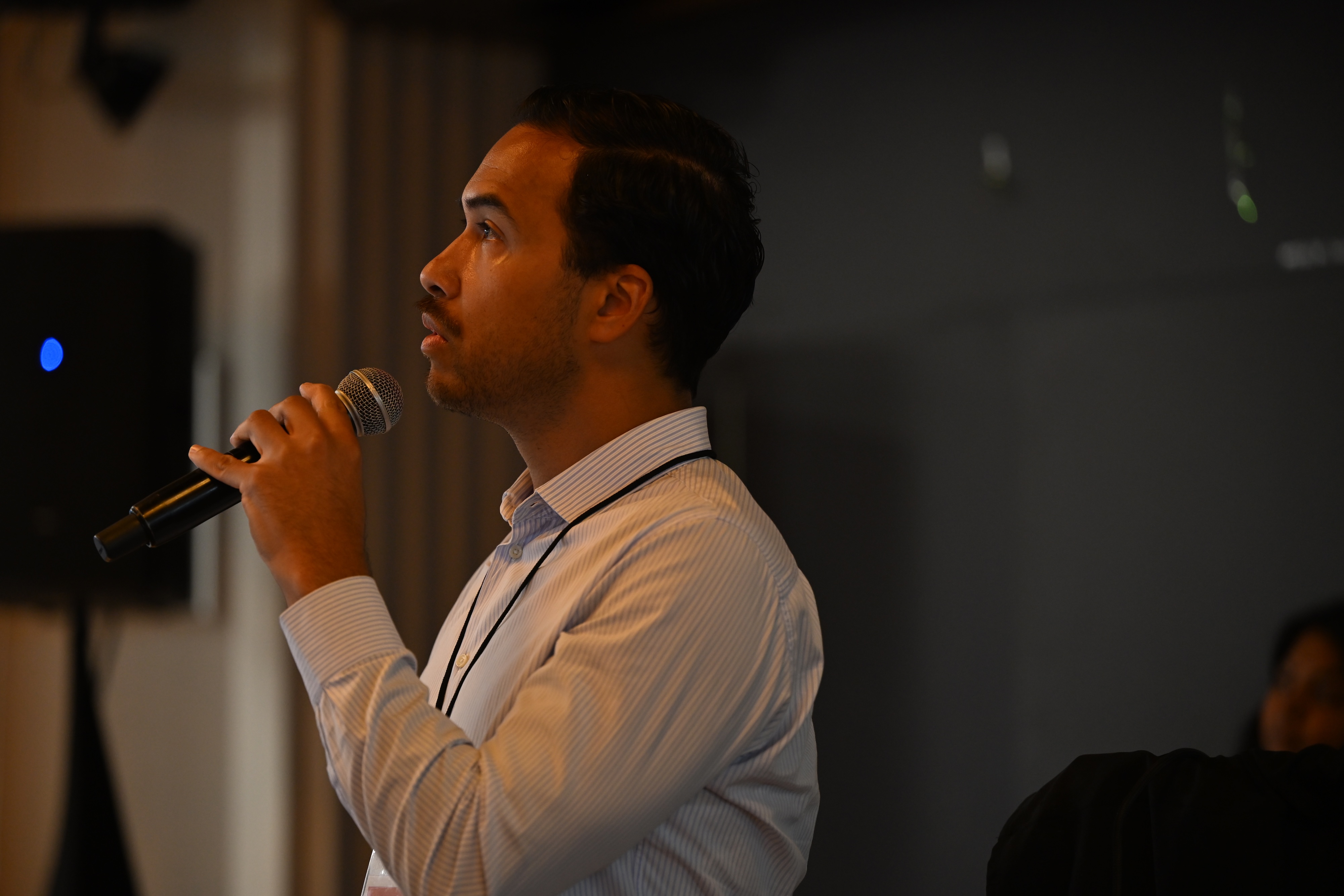
Our CEO Rashiq Fataar was invited to present on best-practice case studies in densification. Instead, he called for an end to the word itself. "Today, we mark the end of 'densification' as the word that describes Cape Town's future," he told the room, offering a better word in its place: city-making. His point was not that density is unimportant (it is really is) but that the word has become too small to carry the work ahead. "Density is a measure," he said. "City-making is the value we create from growth."
Cape Town, he argued, does not need more density everywhere. "It needs more people near opportunity, and more opportunity where people already live densely." Much of that density already exists, and the task is to improve it: "the challenge is to make that density safer, better serviced, more connected and more dignified." Growth, he said, "must help repair distance, not reproduce it."
"The question is not how dense a place is," Rashiq told the conference. "The question is what value it creates, and for whom." That question is the starting point of the research and diagnostic work Our Future Cities does for cities, developers and investors working through growth pressure. "Public land, zoning rights and development approvals create value," he argued, "and the public must share in that value." In practice, that means reading where regulatory and reputational risk sits, where public and private value can be unlocked together rather than fought over, and what a plan looks like that can withstand both capital and politics.
There is no single fix, he told the conference. "The future of Cape Town will not be built through one model. It will be built through precincts, public land, backyard housing, micro-development, upgrading and reuse." A city reimagined, as he put it, "cannot only be denser. It has to be better made."
Thanks to Programme Coordinator Pete Ahmad, Rob McGaffin and Bradley Burger, and above all to the City of Cape Town's Urban Planning and Design Department, for the invitation and for sharing these images.
We do not advise on how to densify. We help build the case for what growth should create, for people, place and value. If that is the question you are working through in your city or region, get in touch.
rfataar@ourfuturecities.co