Insights
June 30, 2025

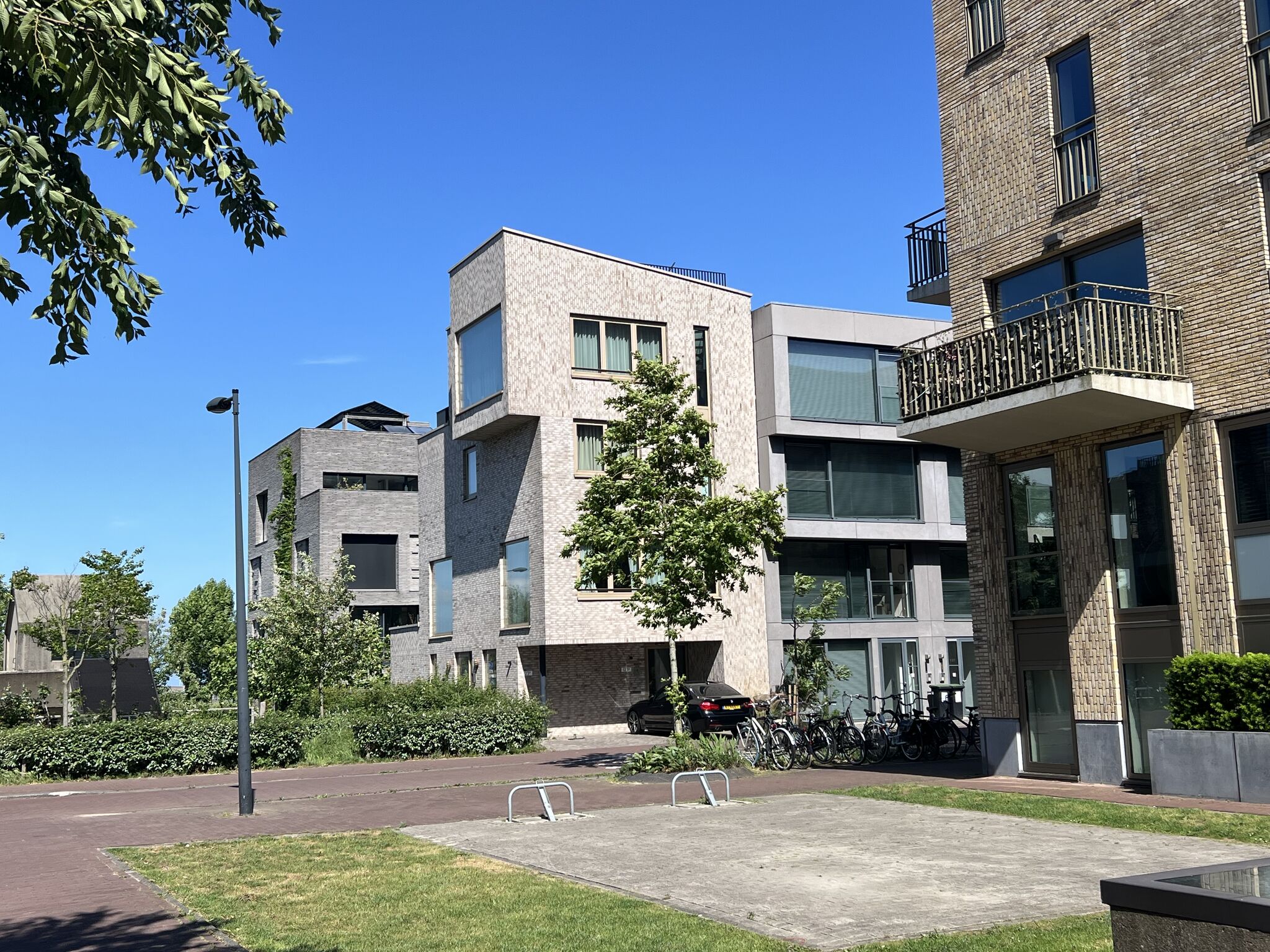
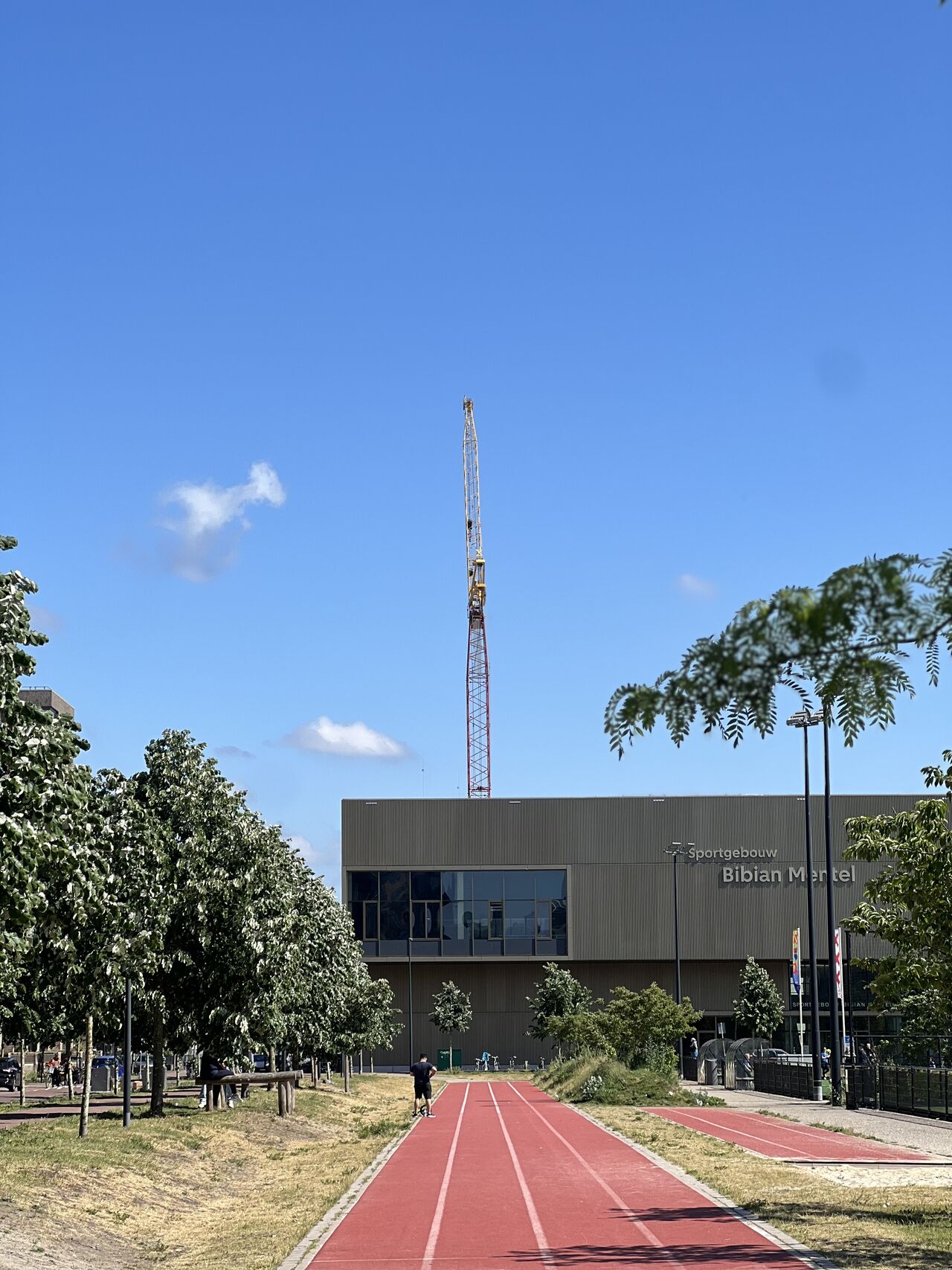
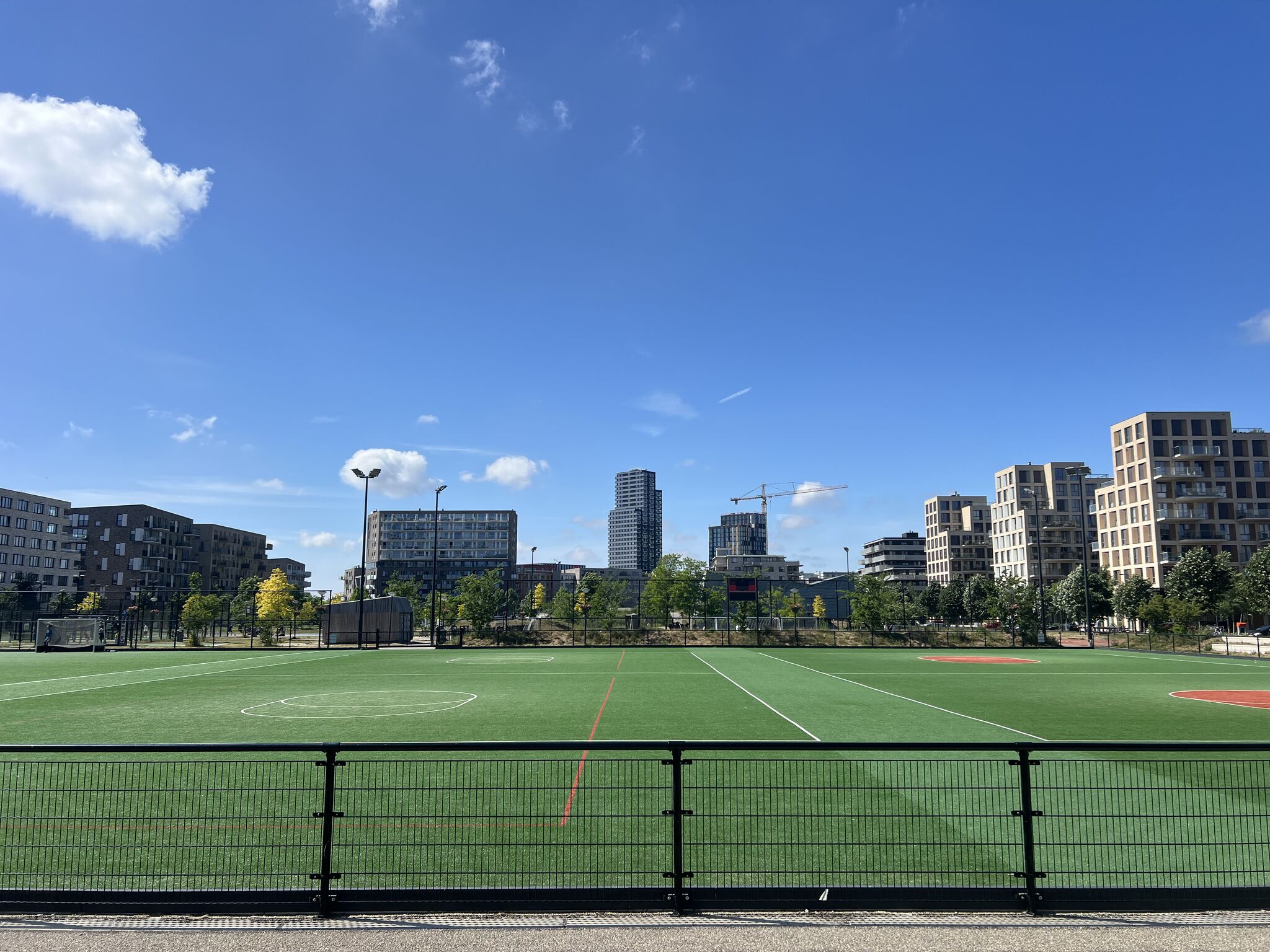
We cycled to Sportheldenbuurt in Amsterdam, where more than 2,500 new homes have been developed around the Netherlands’ largest concrete skate park.
Thirty-six percent of these homes are affordable, including 440 social rental units and 460 student units, alongside 1,640 owner-occupied homes with 99 self-build plots. The neighbourhood forms part of the City of Amsterdam’s response to a 52,000-home shortfall, with 7,500 new units planned each year from 2024.
Despite the 2008 financial crisis and the Covid-19 pandemic, core urban design principles were protected, supported by Marlies Rohmer in her role as urban design supervisor, while still allowing developers limited flexibility to adapt.
Key elements include:
• A 1.5 metre “margin zone” between front doors and the pavement, encouraging everyday interaction with the street
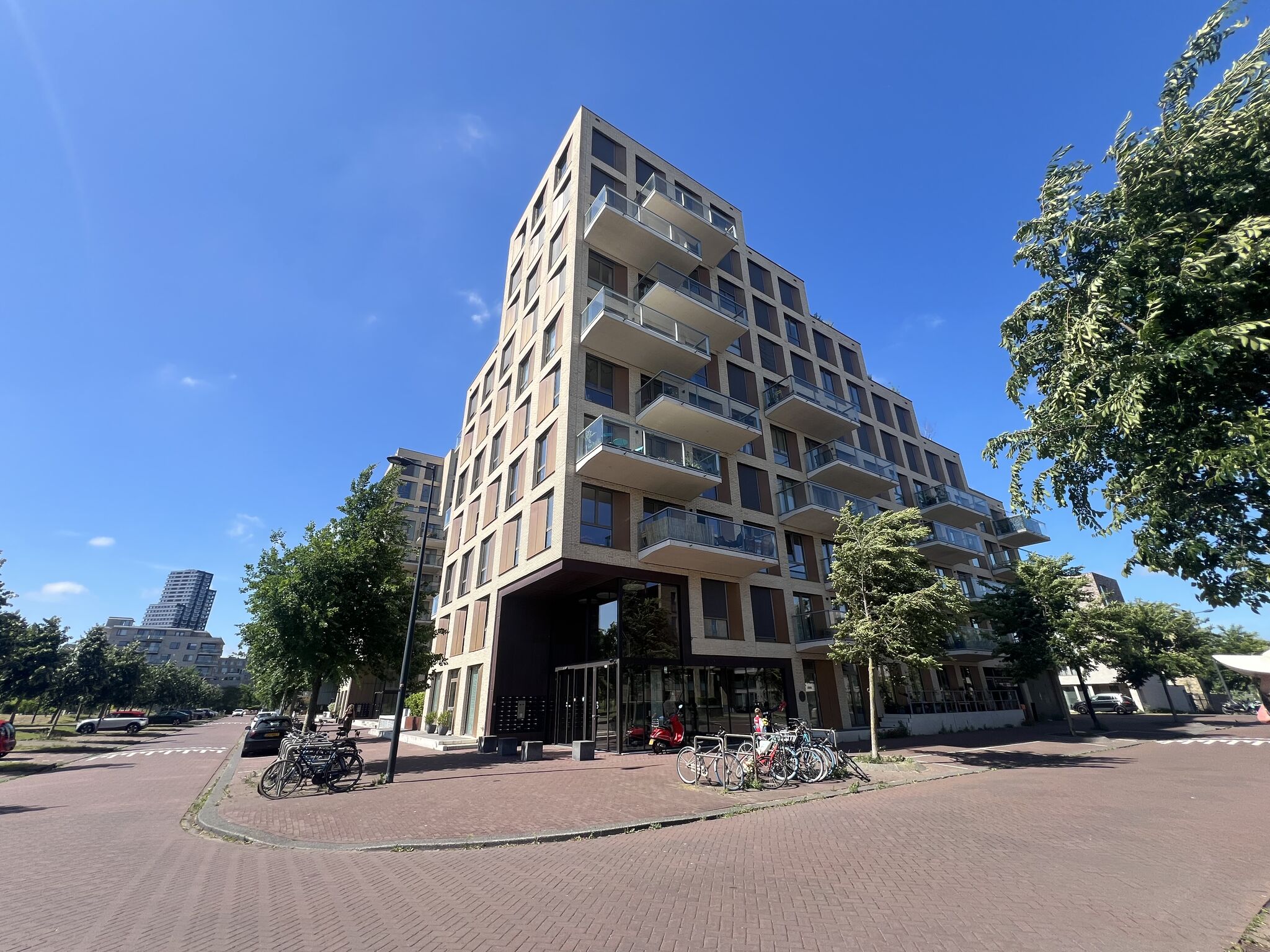
• Ground floors built with additional height to support future non-residential uses and active edges
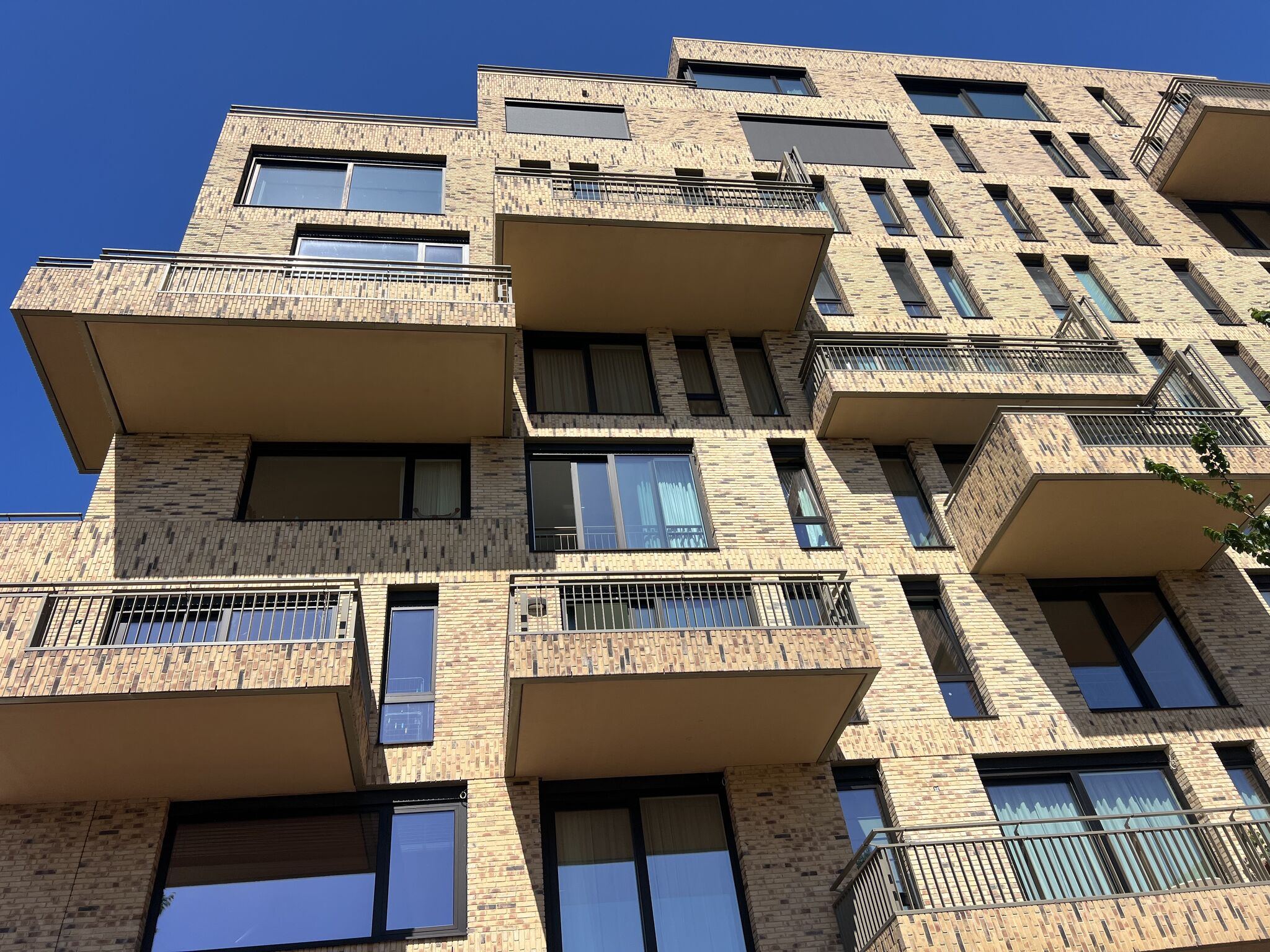
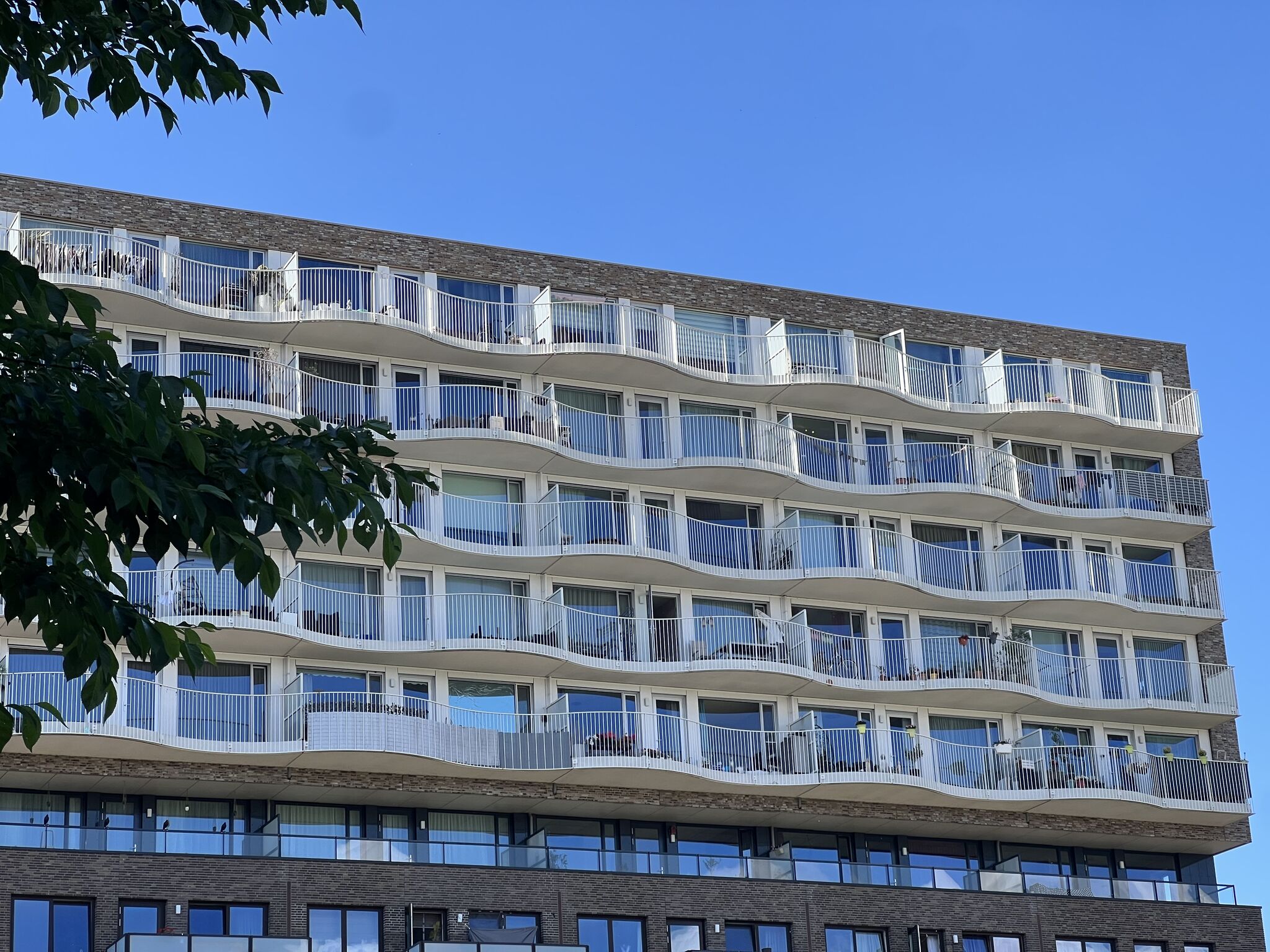
• Balconies and shared courtyards prioritised to strengthen communal outdoor life
• The option for developers to build higher if they invested more in public or collective space
• Involvement of multiple developers and architects, working within a clear framework to ensure variety without losing coherence