Insights
July 16, 2025

We visited Masdar City in Abu Dhabi to deepen our work in the Middle East and to better understand how urban design and public space are being integrated into one of the world’s most ambitious experiments in net-zero urbanism.
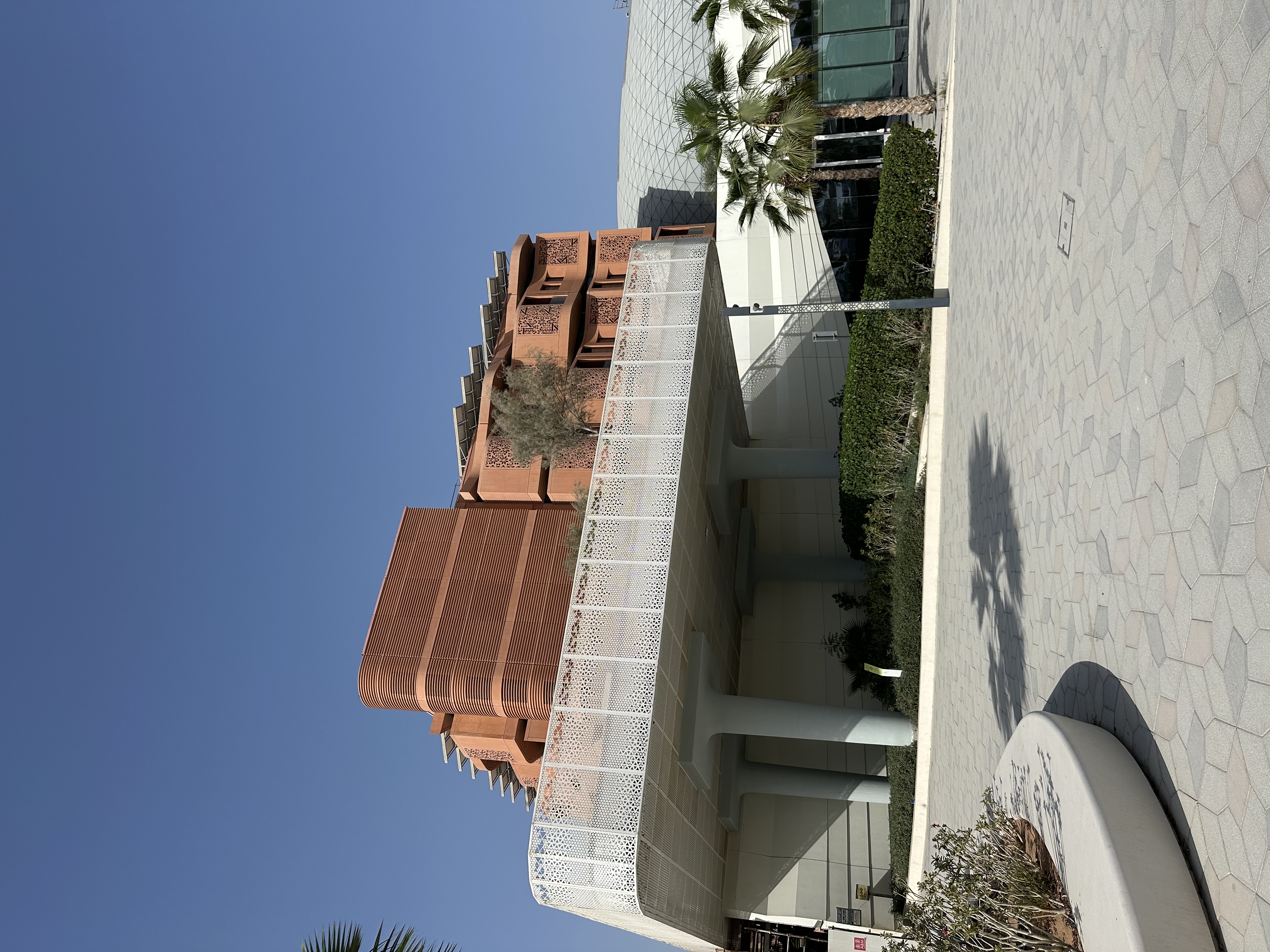
Launched in 2006 with the goal of becoming the world’s first zero-carbon city and accommodating 40,000 residents and 50,000 daily commuters, Masdar was envisioned as a compact, walkable district powered entirely by renewable energy.
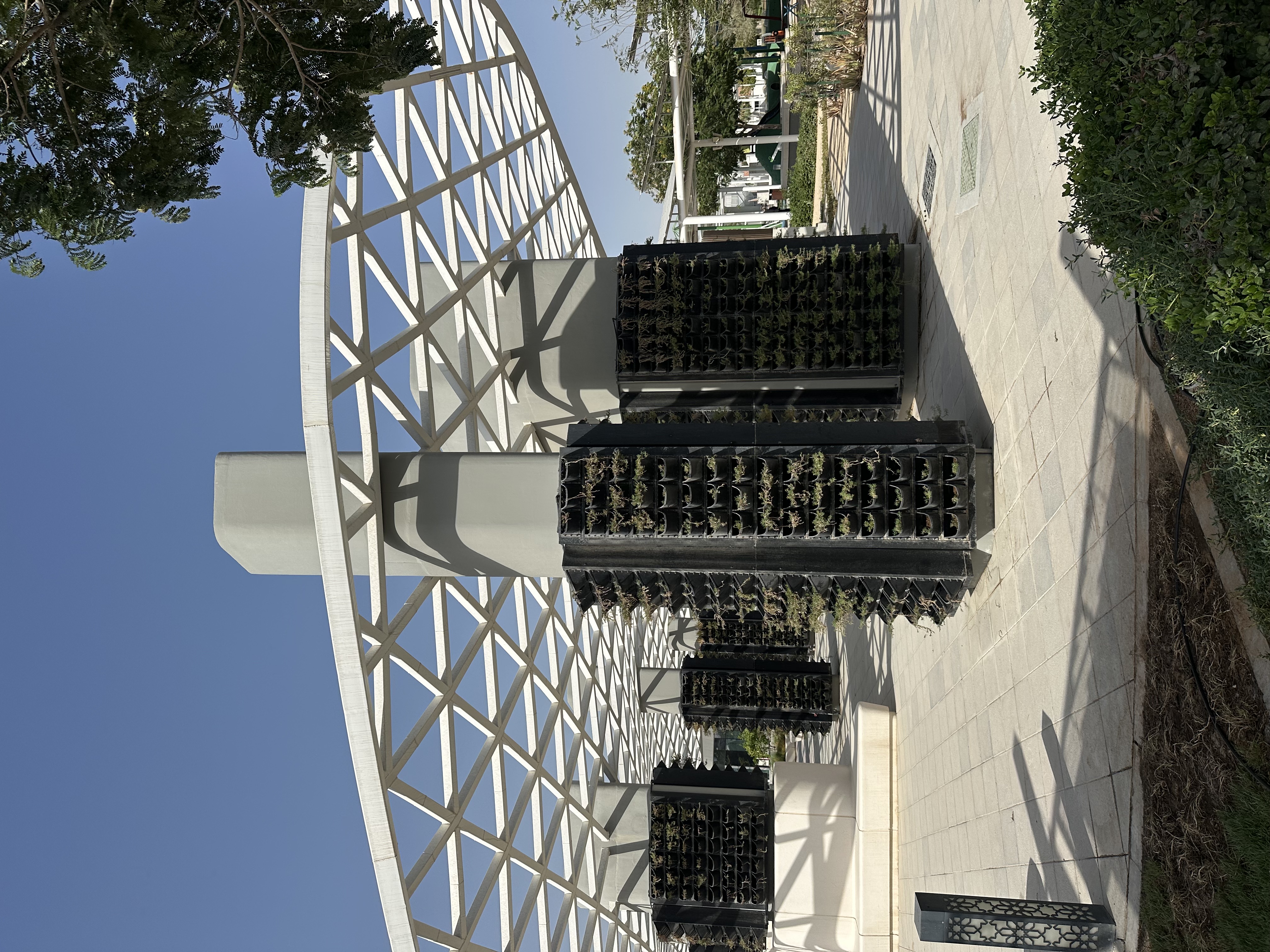
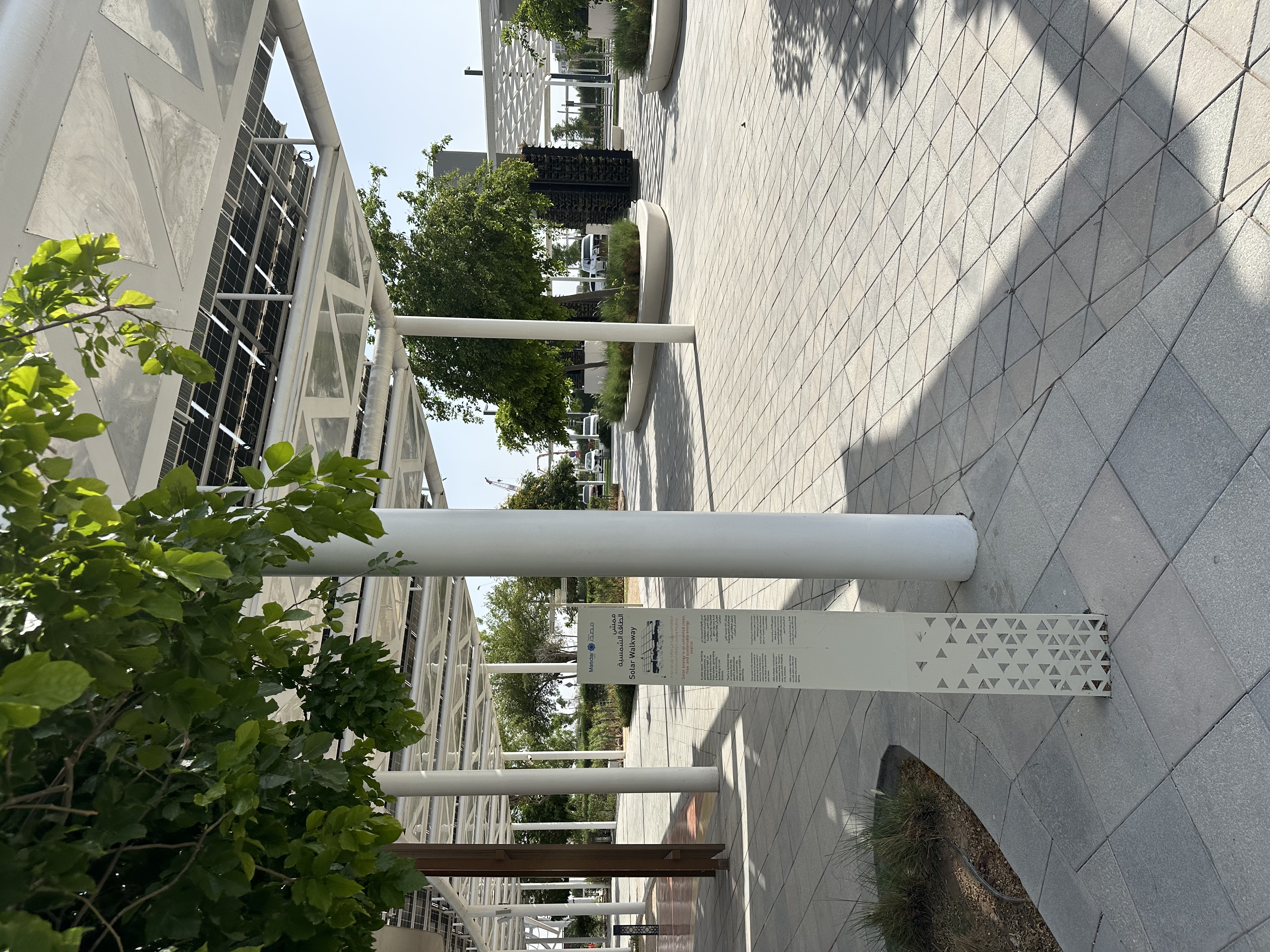
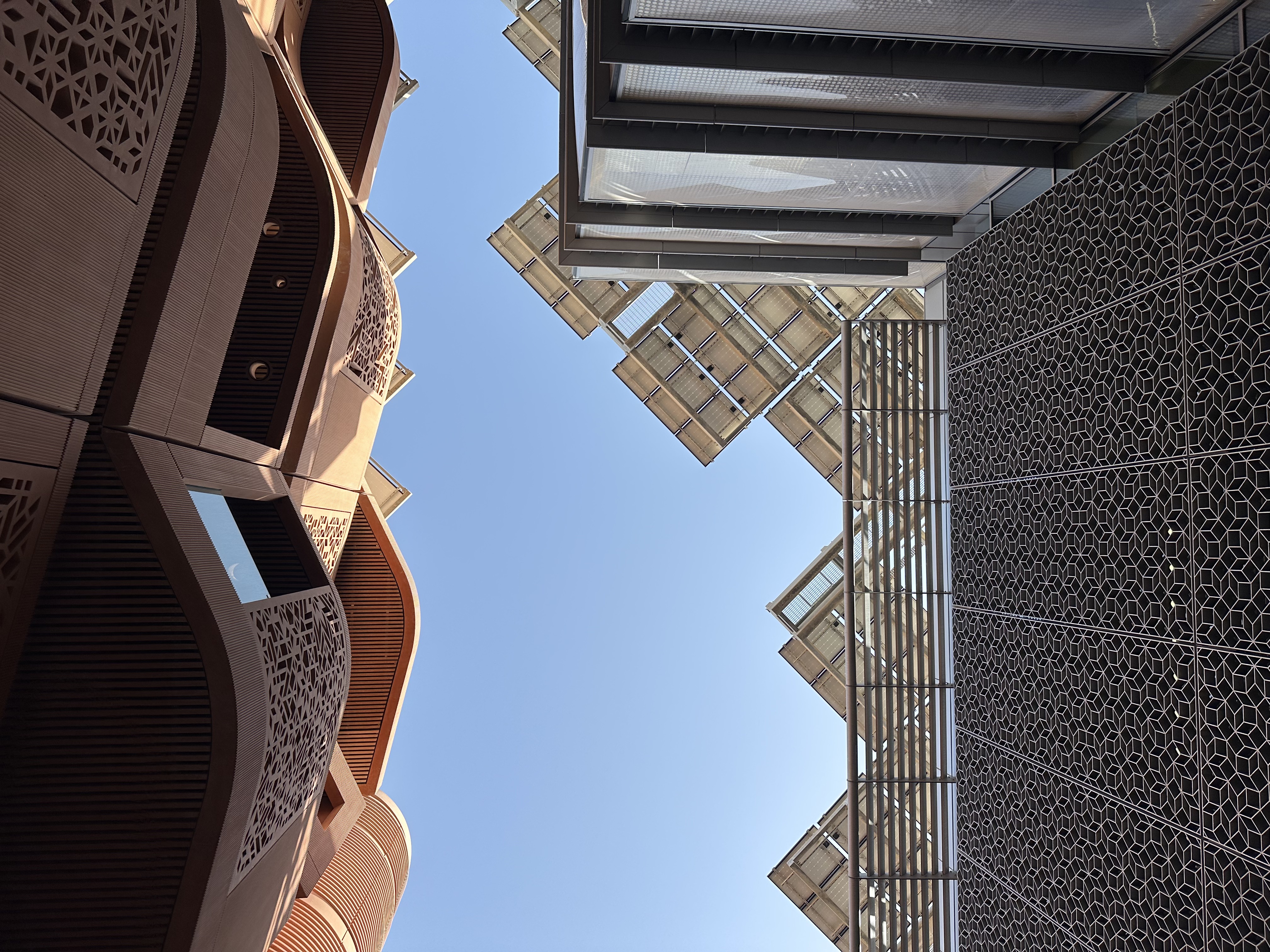
Our visit focused on its public realm, where passive cooling strategies, shaded pedestrian corridors, and design principles drawn from traditional Arabic urbanism are shaping a climate-responsive urban fabric. The introduction of co-living and co-working models also reflects an ongoing effort to prioritise social sustainability and support a cohesive shared urban life.
In 2025, Masdar continues to grow, with:
Cities like Masdar remind us that sustainable urbanism is an ongoing process of learning and adaptation. As Norman Foster said, “We need many Masdars, not all will succeed, but we learn from each.”

.jpeg)
.jpeg)